How is the Fuel Crisis Impacting Student Pilots?
It is said that aviation progress moves, roughly, in seven year cycles and true to form, nearly seven years since Covid effectively grounded commercial aviation for the first time in history, the current cycle is on the downward slope, and aviation is on the wane once again.
For pilots and many airlines, this was underway before the ill-conceived war was begun in the Middle East. Airlines had already recruited their required number of young pilots to replace their aging pilot ranks. The ongoing engine issues for Rolls Royce has crippled the airlines who use them, including our own Air New Zealand, as they are unable to employ their full fleets, reducing income and inconveniencing passengers. With idle pilots on some fleets and pilots run ragged on other fleets, new pilot hires have drastically reduced. When tech crew are being asked to take leave, you know the potential for redundancies is just around the corner…
Even the giant airlines are stopping junior pilot hires, imposing much greater hour requirements for any application. Currently, Air New Zealand is only looking for experienced pilots for their jet fleet – no more entry level roles are being advertised for the prop fleet.

What!! No more pilot hires?
And then this illegal war was forced on every one of us. Another vanity war for an American president. The impacts were felt within days across all nations as it was immediately identified that the world’s oil demands weren’t going to be easily met for the foreseeable future – American wars in the Middle East always drift on for ever, snuffing out the lives of innocent civilians – and for what gain? But anyway, don’t get me started. Let’s not go there….
Fuel cost rises and the logistics of accessing it, confounded by issues of safety and uncertainty dealing with an illegal war has impacted the airline industry. People are reluctant to travel near war zones and ticket prices climb inexorably higher, snuffing out anticipated holidays and causing businesses to recalculate the benefit of travelling as opposed to online transactions.
With the unwelcome news of the new war, our thoughts swung immediately to our winners. The vast majority are in their training years – maximum cost outlay and minimum income.
Geez! Are they ok?
It’s looking dire for those currently training – fuel costs through the roof and very little in the way of jobs out there.
Does it make sense to be paying through the nose for pilot training now?
Between us, John and I carry the heavy mantle of a moral duty of care for our winners – nearly all of them come from a point of financial disadvantage. We also see them as our family members. Their remarkable and unquenchable burning passion to become pilots is supported by our scholarships - sponsored by our wonderful supporters (The Hugo Charitable Trust; The Gattung Foundation; and David and Helen Meale) and we don’t forget them once they have won. For us, we feel they have joined our family of winners and have begun the hard yards in earnest. We want the very best for them and we watch their progress as they walk along the rocky path to their first paid role and on to their airline career.
With that duty of care in in mind, I write this piece to answer the burning question above. This is for you – Wen Seng Chen, Beni, Hamish, Murphy, Matthew, Alika, Abi, Dilan, Twilight, Mason, Rocky, Carly, Sion, Luka and Monty - and of course, every other young pilot in training right now across New Zealand.
Let’s deal with the seven year cycle first.
Every up will be followed by a down; and every down will followed by an up.
Heck, take the Black Death for example.
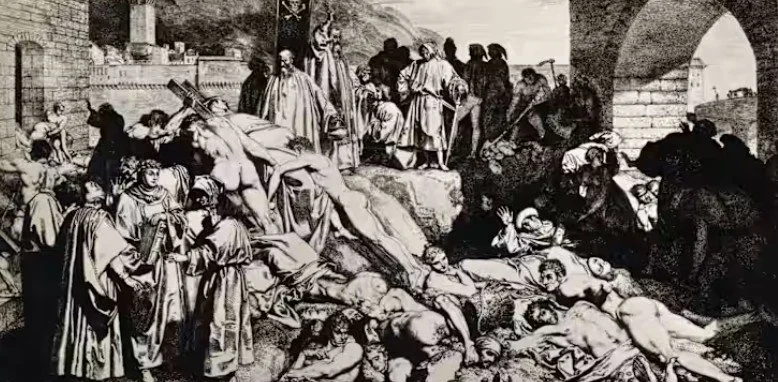
Bodies piled up in the streets as there was hardly anyone left well enough to bury them
Striking Europe in 1347 and raging for three years, 50% of the total population died. 80% of those who were infected died (no vaccines back then). By any unit of measure, the plague was, undoubtedly, a downer. Probably the worst in the last 10,000 years. But the ‘up’ was incredible for the survivors. The end of serfdom, vastly improved wages, a huge rise in personal wealth, better housing and sanitation and a worldwide commitment to develop medical care – the precursor to modern healthcare.
But back to modern times and economic cycles… although the length of time in each cycle is not written in stone, generally there is a five year period of boom and growth followed by two years of contraction, with airlines going bust and significant pilot distress. The aviation cycle is naturally a reflection of the global business cycle.
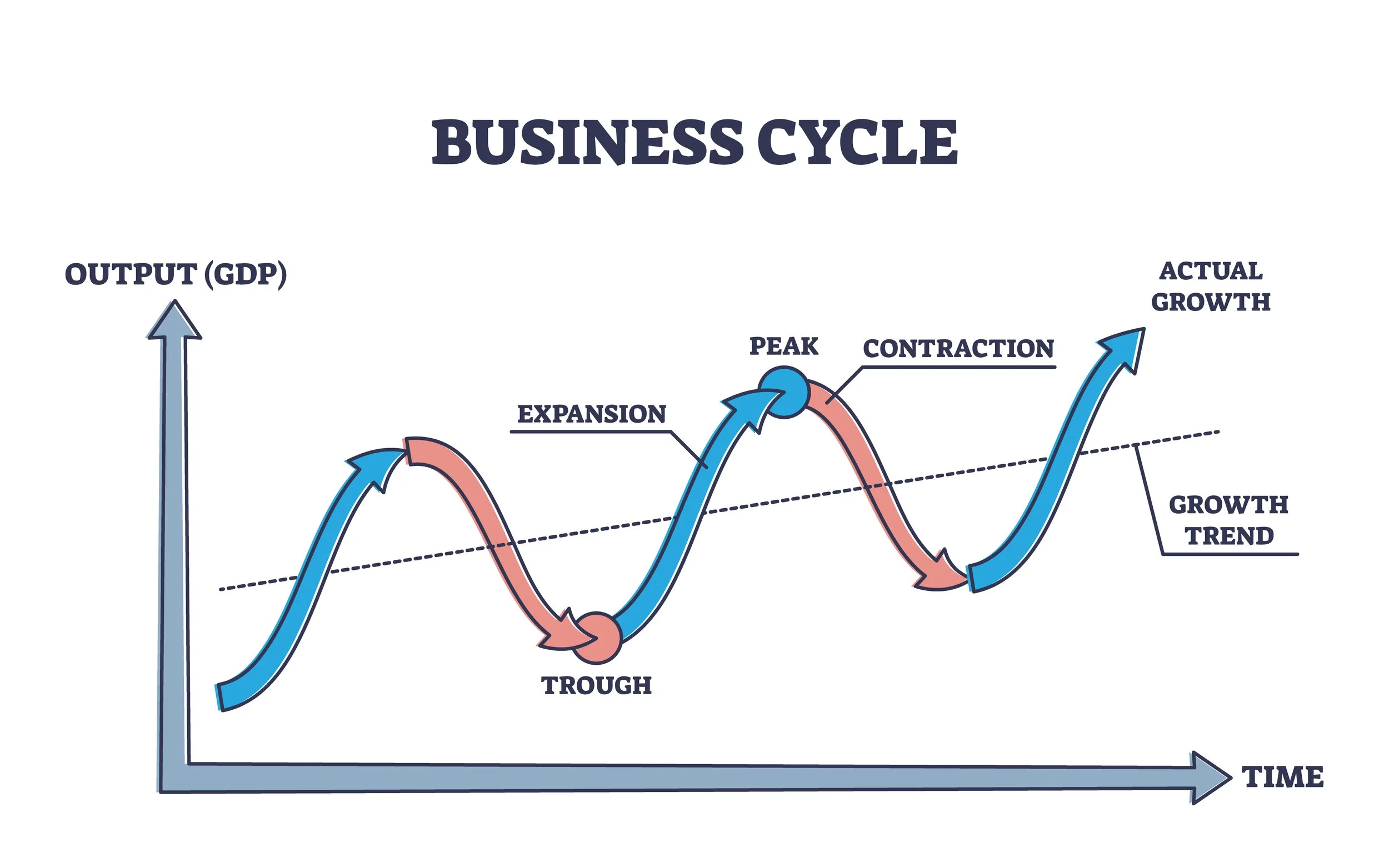
The times of bust are foisted on the economy by black swan events – rare and unpredicted events that often impact global economics (9/11, the Global Financial Crisis, Covid, war and the current fuel crisis are good and recent examples). These events take years to sort out and the cycle staggers back up to the boom era as markets stabilise, geopolitics stabilise and general humanity gets over the shock to their wallets and start spending again.
While the rest of the world goes running around losing their minds, believing the sky is falling, the wise hunker down, get on with it and stay the course to ride out the storm and be ready to flourish when the good times roll around again. Of course, for most of us, that’s easier said than done when finance is involved. Especially if you have very limited financial resources to start with. There are ways around it, however, you need to be creative and think with a steady mind.
A dear friend of ours, Tom Koppen, is now an ATR First Officer for Air New Zealand. Covid hit only short months after he began his flight training. This black swan event had the world reckoning with the potential end of airline aviation. As he was sent to shelter at home for lockdown, he had decisions to make. He tells his story in this article - https://www.pauwelsflyingscholarship.co.nz/blog/now-is-the-perfect-time-to-become-a-pilot . Please read it.
At the same time, Ben Williams, our first winner to earn an income from flying – he is now a ‘B’ Cat instructor – was grappling with the same concerns in his last year at school. He tells his story in this article - https://www.pauwelsflyingscholarship.co.nz/blog/our-first-winner-becomes-a-flight-instructor . Again, please read it to learn from those who have gone before you into the downside of the cycle.
A bit of perspective is important.
It’s about now, at the first hint of difficulties for young pilots today, that the old dudes who learnt to fly half a century ago chime in with their ‘In my day’ memories and platitudes. They are designed to disparage the young pilots of today and try to imply that it was somehow harder for them back in their day. Let’s be categorically clear on this issue – in the immortal words of Darryl Kerrigan from ‘The Castle’, “They’re dreaming, mate!”
John learnt to fly in 1972. He paid $8 per hour of solo flight, $10 for dual. He was working at night as a hanker in a carpet factory earning $85 a week after tax. After living expenses, he could afford six lessons a week. Now, a single lesson is costing about $460 and the average wage for part time work is only $550 per week before tax. You can do the maths.
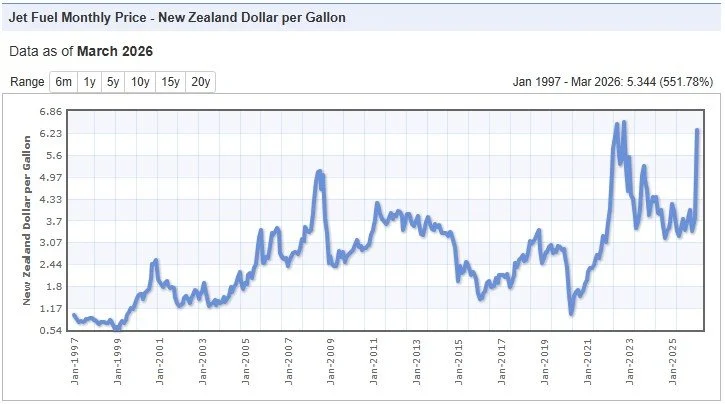
NB This graph shows NZ$ per GALLON - not litres - for Jet Fuel
According to Index Mundi, a commodity pricing website, since 1997, aviation fuel costs in NZ have increased more than 550%. Over the same time, wages in New Zealand grew by about 110%. Between February and March this year, the cost of aviation fuel skyrocketed by 68%. Although current costs have pulled back a bit – it’s not by much.
The previous highest monthly fuel jump occurred in June 2020 as the impacts of Covid illness and isolations began to take hold of the shipping industry. Aviation fuel costs jumped by 35%. If we go further back, there are no similar fuel price shocks in the last 30 years.

How much??!!
No other trainee pilots in recent history have had to absorb the fuel cost shock this current group of trainees are facing.
What’s going on at the coalface?
I asked our family of winners for their thoughts and for any hints, tips and advice they might have, as well as observations and experiences.
Ben and Gemma, our first winners to get paid to fly by becoming Flight Instructors, both got back to me with their perspectives.
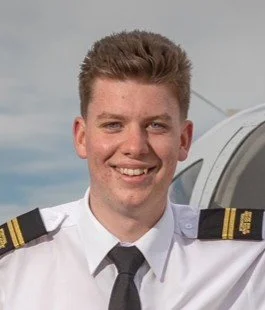
Ben, who instructs at South Canterbury Aeroclub wrote:-
“As a flight instructor, the impact of fuel costs has been noticeable. I’ve personally seen a reduction of around 10-15 instructing hours per month, largely driven by students cutting back. Rather than stopping altogether, most are simply flying less frequently to manage costs. Aircraft choice has also shifted, with more students opting for lower-cost options like the Tecnam LSA where available.
Students are definitely feeling the pressure. Compared to when I started training nearly 10 years ago, the cost of flying has roughly doubled. That’s having a real effect on pacing and progression, with people taking longer to reach milestones, which can also impact motivation and continuity.
From an instructing point of view, it’s reinforced the importance of effective efficiency. I’m making a conscious effort to keep lessons as streamlined and productive as possible to ensure students get maximum value from their time in the air. One of the biggest practical tips I’d offer students is to prepare thoroughly on the ground - learning checks, procedures, and briefing material at home beforehand can make a meaningful difference in reducing airborne time and cost.
Encouragingly, we’ve seen Avgas prices stabilise or reduce over the past four weeks, which is a positive sign, although costs are still not back to where they were.
Overall, while the current environment hasn’t stopped people from training, it is slowing progress and making the pathway more financially demanding, particularly for younger pilots trying to build hours.”
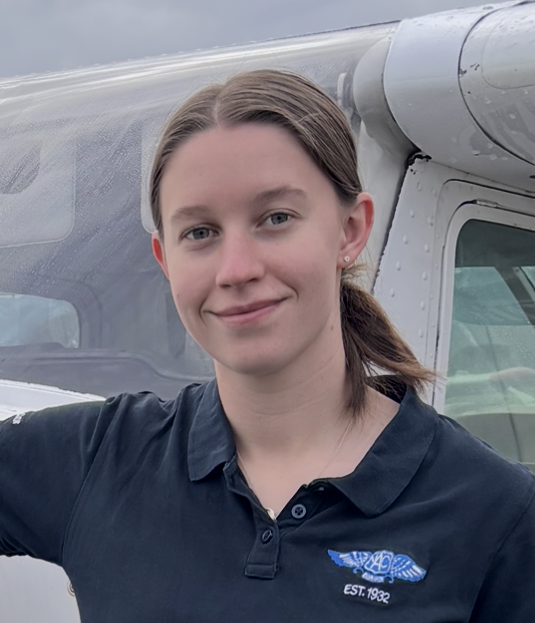
Gemma, who instructs at Nelson Aeroclub, shared a similar observation. She noted that fewer people can afford to fly and those who are committed to gaining their licenses are slowing the pace and just hoping it will all pass soon.

Murphy has qualified as a CPL and is currently hour building and remaining as current and proficient as he can. He wrote:-
“I think the biggest way that the fuel prices are impacting students and new pilot's is noticed in the hour building stages.
Currently, I'm flying on my off-days from work, and although the club I'm hiring from has been excellent in communication and management of fuel prices, it is still very expensive to build hours while searching for opportunities for flying jobs.
Mostly, my flying now is both to build hours, and most importantly to remain proficient should an opportunity arise. The best way that I can see to manage this situation is to keep the frequency of my flying the same, while reducing the flight time that I'm paying for fuel. This seems to balance out the cost of flying while still remaining proficient.
Unfortunately, for those who are enrolled in full-time study, I can't see how costs can be kept down, since students will need to fly a certain number of hours per phase of their training.
A side note is that it seems far more noticeable within the industry itself. In my current position at Southern Lakes Helicopters, during the busy days we can burn as much as 4000 litres of Jet A-1. The current pricing means that surcharges for fuel are now standard for most companies in my line of work. Our operations costs are up massively from last year, which means a higher hourly rate for the aircraft and higher prices for clients.
The point here is that it's clearly affecting the entire industry rather than just new pilots.”
I got some good responses from a few of our winners who are currently in training.
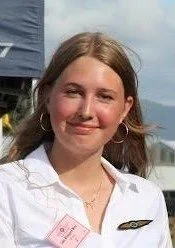
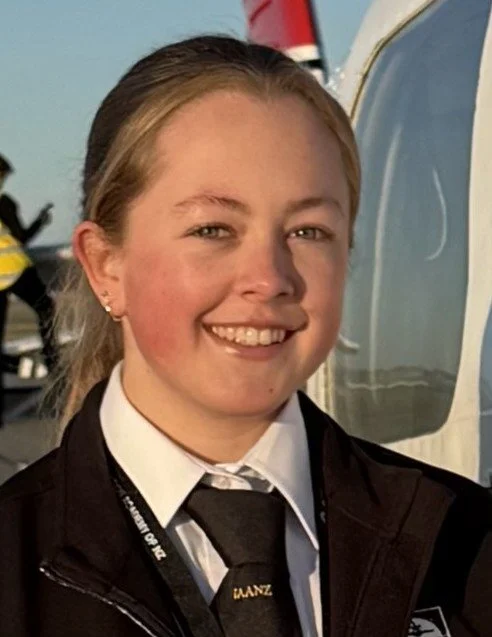
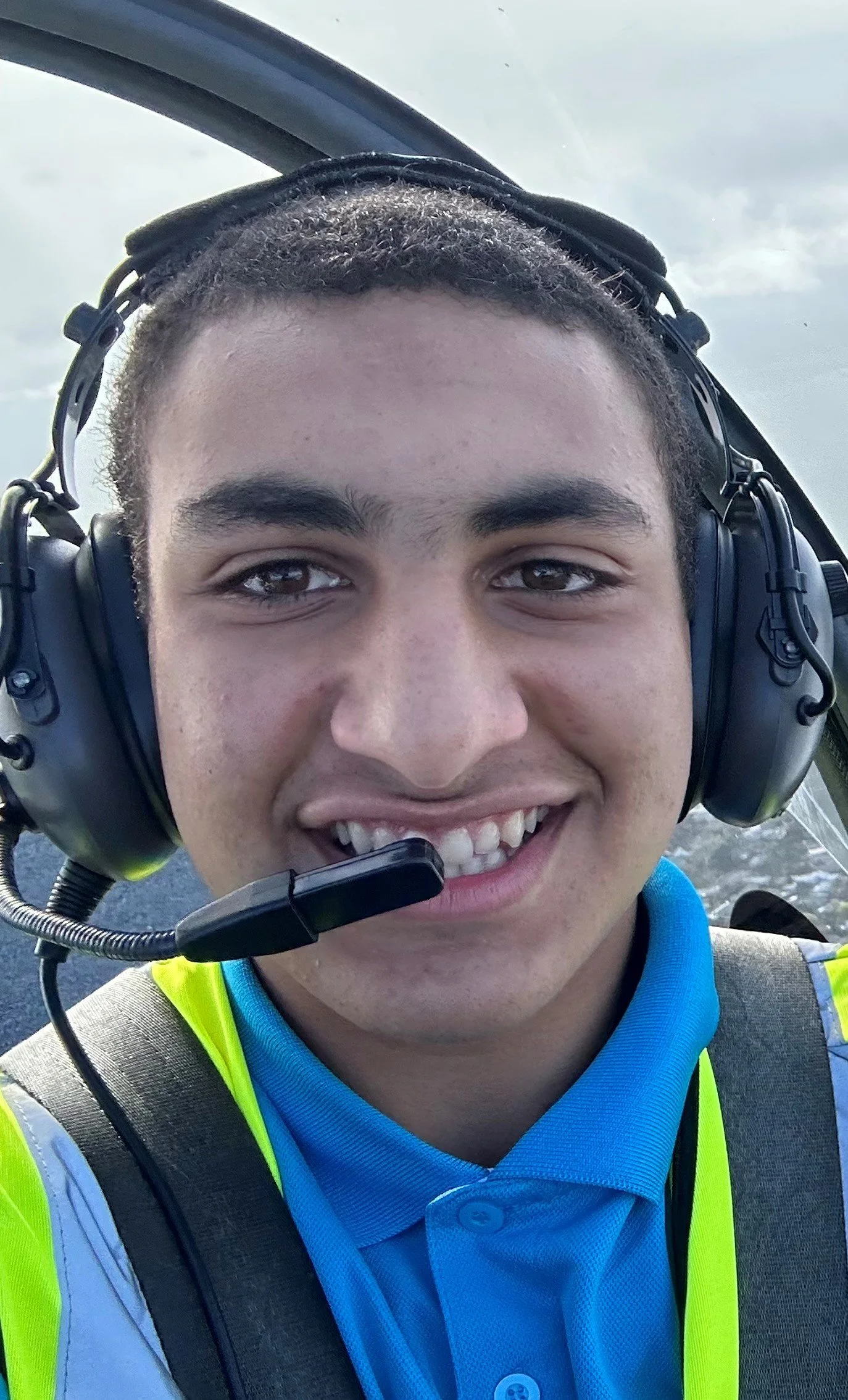
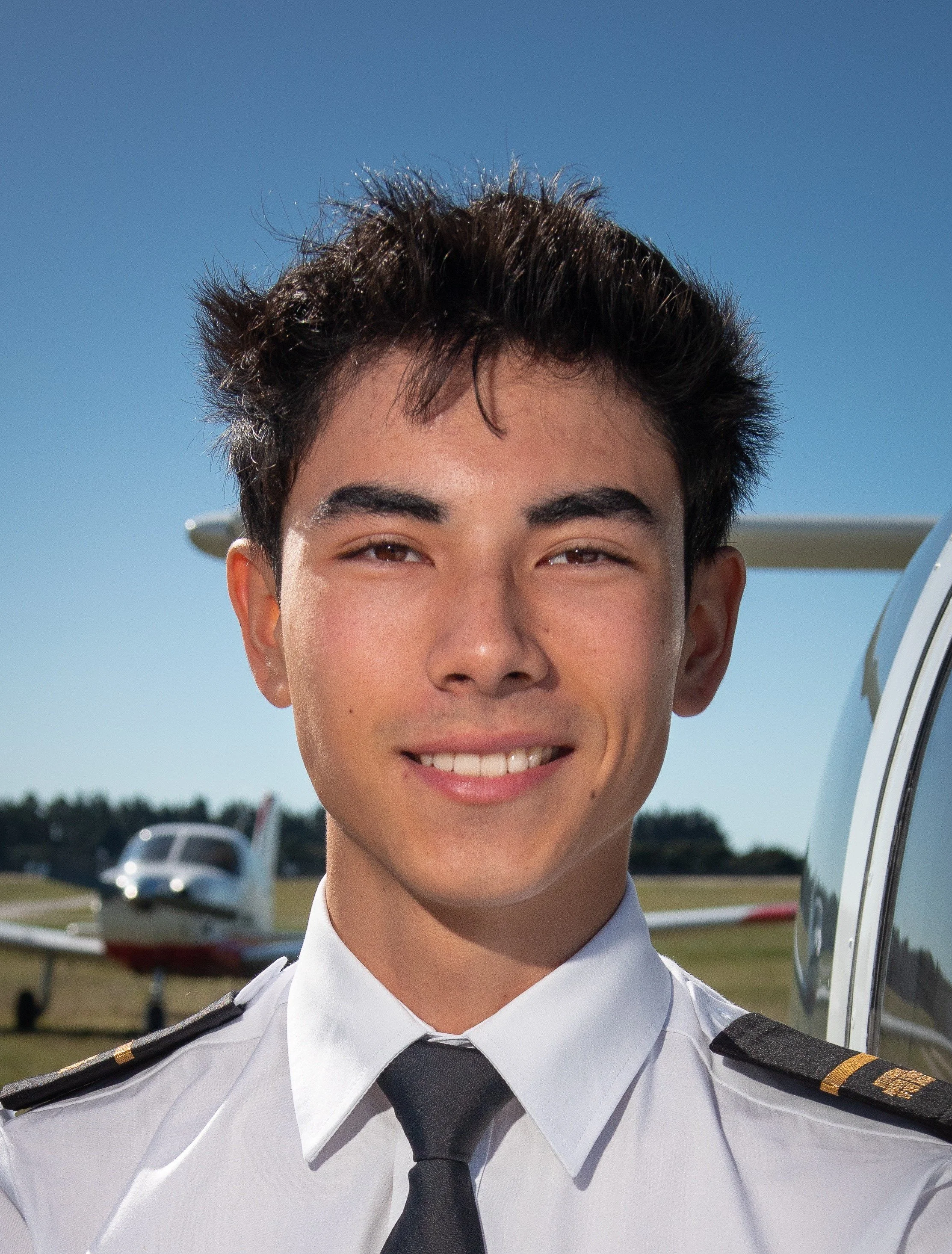
Luka, training at NAC wrote:-
“Speaking for myself, receiving almost weekly emails from my flight training organisation, "notice on the increase of avgas price" feels surreal. I am lucky to be in pilot theory from February to June, with no flying, therefore no current fuel costs for me. My flying friends, are not so lucky, paying nearly 1/3 extra the price.
Going down to Warbirds over Wanaka, I saw the strain of the fuel increase on the flying community. Fuel being essentially like the air we/the planes breathe.
I can only hope this crisis resolves quickly.
My tips on coping; there is never any rush to get flight training done, depending on your situation it may be wise to wait until this crisis is over. Anything to do with aiding the larger factors at play during this crisis, may be the only way to make a change.”
Carly, training at IAANZ wrote:-
“As I’ve now got my full PPL I am up to CPL cross country training. As I completed my PPL in a Tomahawk I would usually have then completed a type rating in the Piper Archer, however as the prices went up I decided to stay in the Tomahawk to avoid going over budget. However the cost for the Tomahawk wasn’t flash either.
Hopefully when prices come down I’ll look into getting a rating on either the Archer or 172.”
Matthew, training at Southern Wings’ Auckland branch, wrote:-
“Having just earned my PPL, I feel like I've come through the thick of it at a pretty interesting time. Luckily, our fees are locked in at the start of the year when we sign on, so I haven't felt the fuel costs directly in my training, but I imagine the flight school is probably the one wearing that hit at the moment!
The bigger pinch for me personally has been the roughly 50km commute to the school through Auckland traffic. It's no small thing when fuel prices are what they are. I actually switched to a hybrid recently which has helped a fair bit, but costs everywhere are up and you definitely notice it. Like a lot of people, I've had to make some minor lifestyle adjustments to keep things ticking along, but that's just the world we're living in these days!”
Rocky, training at IAANZ, wrote:-
“The fuel crisis has affected me slightly. Thankfully, I am nearing the end of flight training, so I am not affected as much as someone who has just started. In terms of price increases, it certainly has shot up by a significant amount, and it will make the final bill for my flight training more than forecast but it is what it is. I think staying on top of your flight training and doing the best you can to meet the quoted budget is the best option but that has been my goal since the first day of training.”

Looking for advice?
I was proud of our winners responses. They were true to form. Each respondent wrote positively, acknowledging the situation as just another hurdle on their road to the dream job. Another layer of resilience being laid down to help them cope with other life crises further down the road. We chose these young people as our scholarship winners because of their obvious resilience and determination; and they haven’t let us down.
Luka spoke with a wisdom we agree with, about not starting your training right now if you’re financially strapped. We support that advice. Use the waiting time efficiently and work damn hard to save as much money as possible so you go into training (and hefty student loan) with a bulging wallet and little financial stress.
Ben’s advice on being as prepared as you can be PRIOR to a flight lesson will make the flight time more efficient. Work harder to get the most from your flight time, making sure you don’t have to resit or redo any flight time components.
Murphy’s comment that the entire aviation industry is affected is worth taking on board. You’re not alone weathering this crisis. You and your peers are in this together. Find ways to pool your flight resources so everyone wins. Looking out for each other in times of crisis builds connections and much needed support. Think outside the box – but keep it legal!!!
Carly’s advice to use the cheaper option for hour building is smart. Save the ratings on more expensive types until later.
If you are actively training, either at a flight school or aeroclub, keep the frequency up but reduce the duration of each flight. This keeps proficiency, which is critical, but slows down the hour building. Let’s face it, right now there are precious few jobs out there even if you have built your hours up. So, keep proficiency current but apply a bit of speedbrake to hour building. Presumably it won’t be a forever decision, it’s just to tide you over until fuel costs ease back to a more affordable level.
There will be some of you who are flying without the need for a part time income, but if it’s getting tough to pay the flight bills, get out and find a job, no matter how ‘lowly’, to give you some extra funds.
Of course, there will be those in your classes that are from wealthy backgrounds with Mum and Dad paying their bills. And yes, it is inevitable that they will be receiving a gift of time, by not having to slow down their hour building, but I imagine when employers ask how their candidates made it through this fuel crisis, their answers will be less than inspiring. Someone being spoon-fed success from others all their lives really don’t make good leaders – as seen graphically overseas – and this is detected in airline interviews. They have really good bullshit detectors.
John has a good view about receiving advice. It is good to seek out and listen to, but ultimately, it is just that - advice. You have to decide what is right for you. No one knows your exact circumstances like you do. However, do seek that advice. Others, particularly more senior pilots, may know more than you do. It’s important to have the best information and opinions you can find, so you can make an informed decision rather than a purely emotional decision.
And of course, any decisions that have to be made for you, have to be made by you.
I feel the biggest take aways from this article are these…
It’s not a race to get to the airlines
As Winston Churchill said, “If you’re going through hell, keep going!”
Just focus on the next step
And budget carefully.
You’ve got this – you can do it 👍